

The Central District, Quincy Jones, Jimi Hendrix and a museum won by occupation.
The Central District
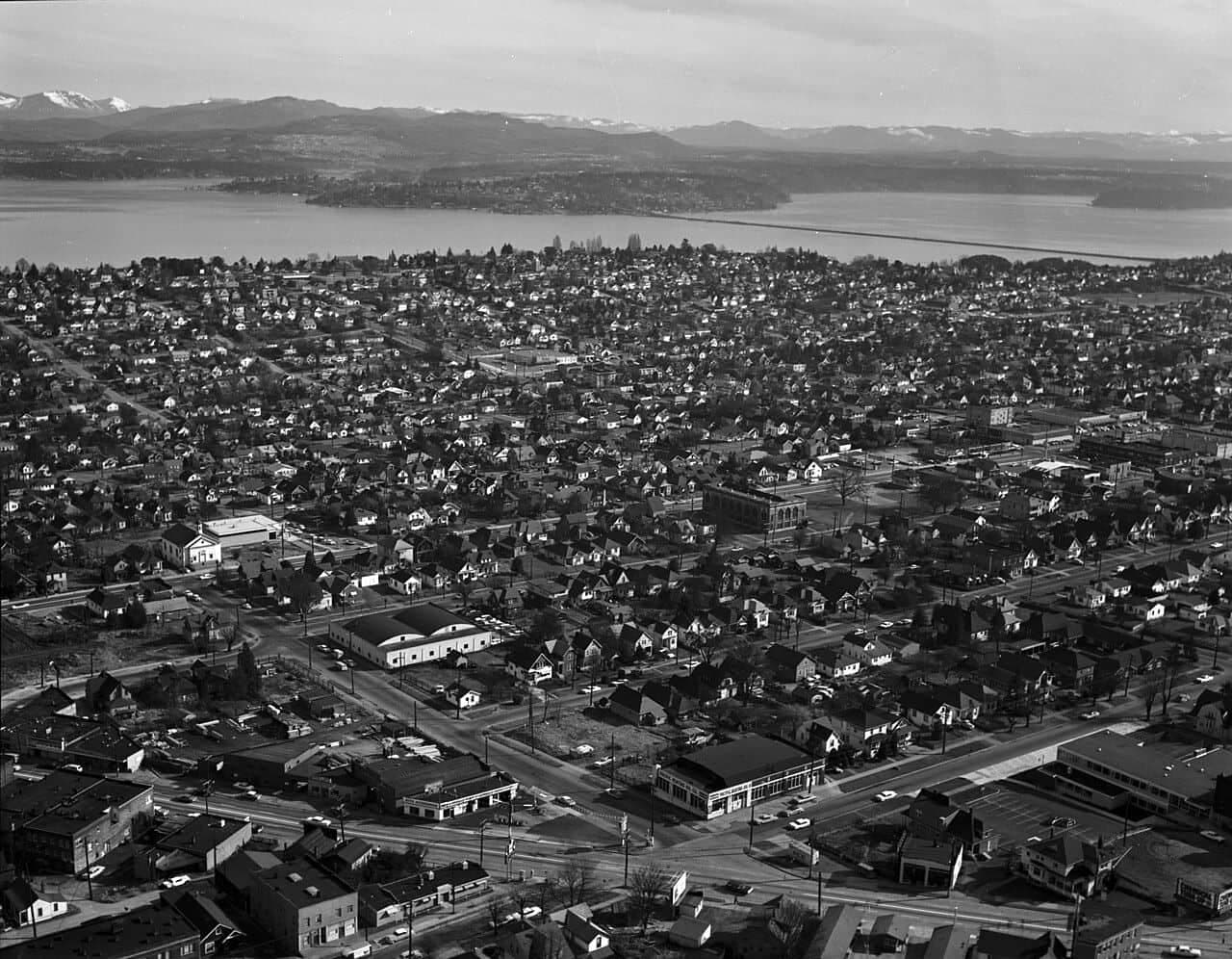
The Central District was once the center of Seattle's Black community and a major hub of African American businesses. In 1927 white homeowners began a concerted effort to redline the area, boxing in the Black, Jewish and Asian families who already lived there and could not buy or rent elsewhere. Out of that neighborhood came some of the country's great musicians.
Quincy Jones
Quincy Jones's family moved to a segregated community in Bremerton in 1943 and then to Seattle after the war. At Garfield High School he developed as a trumpeter and arranger, and at fourteen he was playing Seattle's Washington Social Club and the Black Elks Club with a local band. In Seattle he met Ray Charles, then an unknown 16-year-old musician from Florida.
Jimi Hendrix
Johnny Allen Hendrix was born in Seattle on November 27, 1942. He went on from Washington Junior High to Garfield High School in 1958, though he did not graduate, and went on to world fame as Jimi Hendrix. Jimi Hendrix Park in the Central District carries his name.
The Colman School
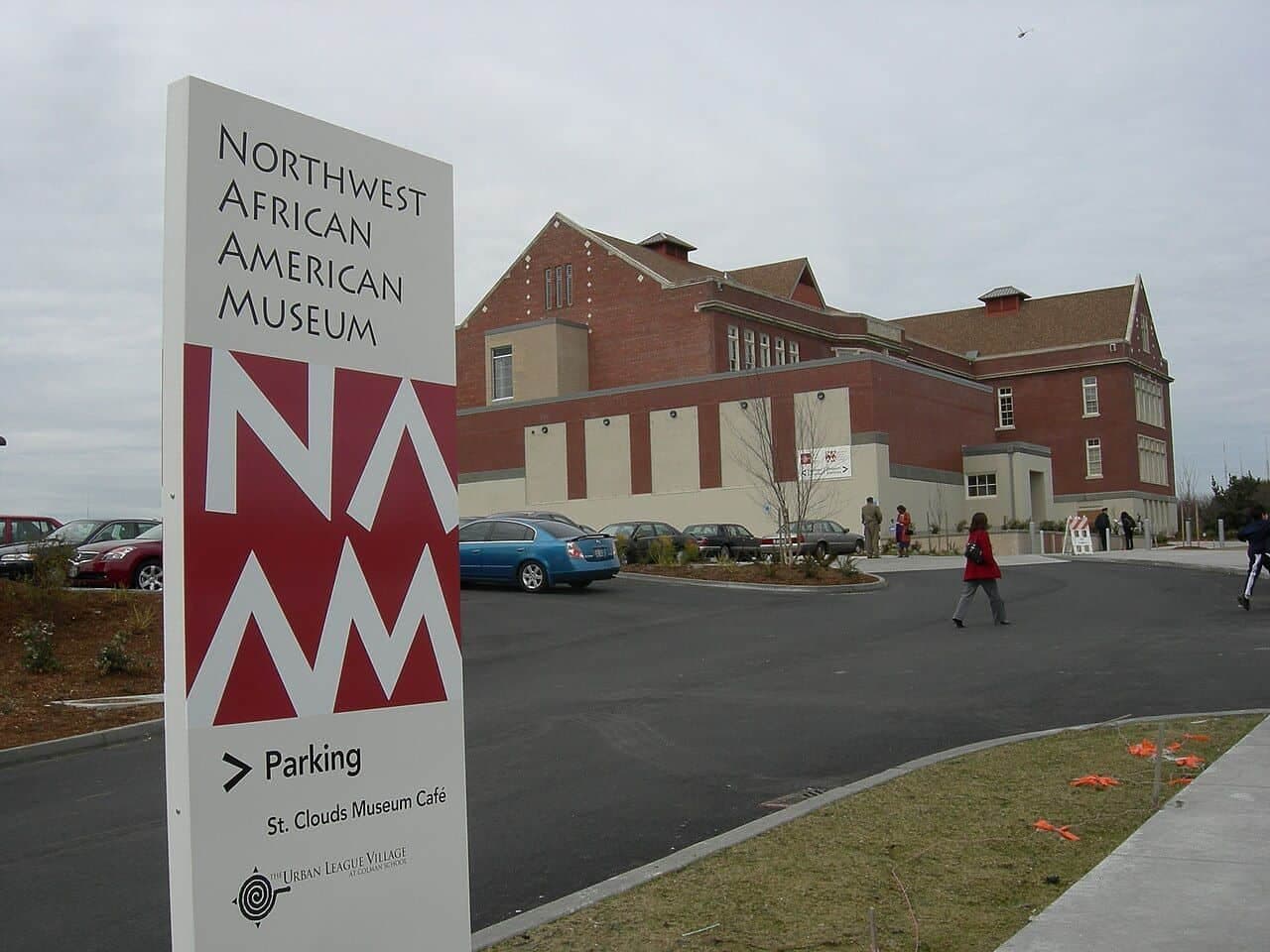
In 1985 activists occupied the empty Colman School, a building from 1909, to claim it as the home of a Black history museum, and the occupation went on for eight years. In 1993 a nonprofit was formed to carry the project forward, and in March 2008 the Northwest African American Museum opened in the old school. In 1989 Seattle elected Norm Rice its first Black mayor, and he served two terms.
Black Seattle Today
The Central District, home to the museum and the Liberty Bank Building, is changing fast as housing costs rise, and Black-owned restaurants, salons, shops and brands are part of everyday Seattle.
Shop Black-owned businesses in Seattle on CashBlack.
Photo Credits
The Central District from the air, 1965. Photo: Seattle Municipal Archives from Seattle, WA, CC BY 2.0, Wikimedia Commons The Northwest African American Museum in the former Colman School. Photo: Joe Mabel, CC BY-SA 3.0, Wikimedia Commons