

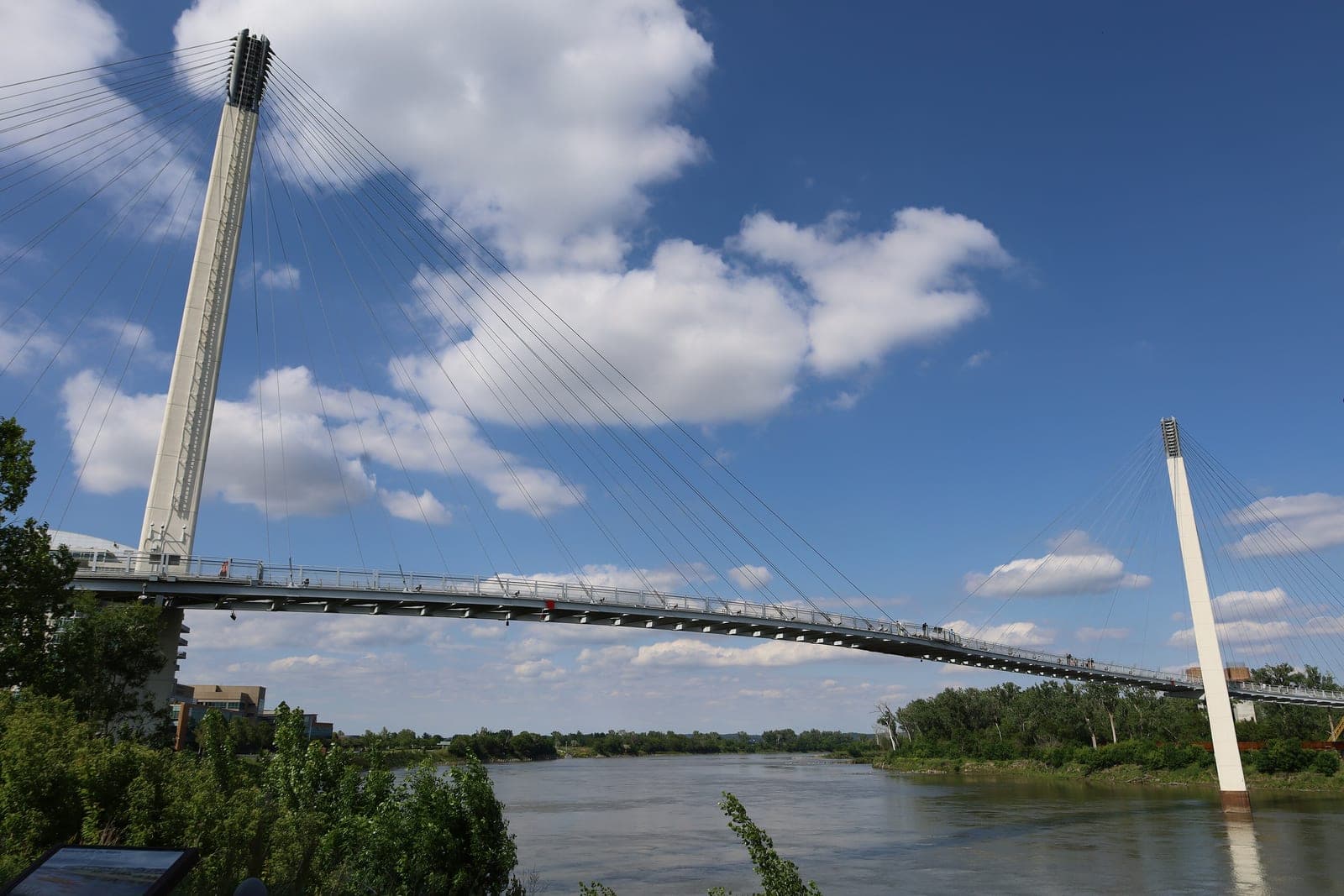
North 24th Street, the Dreamland, Mildred Brown's Omaha Star and Malcolm X's birthplace.
The Near North Side
Many African Americans came to Omaha between 1910 and 1950 in the Great Migration, and the Near North Side became the nucleus of the city's historic Black community, with the North 24th Street corridor at its heart. From the 1920s through the early 1960s the neighborhood had its golden years. The mid-century loss of 10,000 industrial jobs, as the railroads and the meatpacking industry restructured, later hit the community hard.
The Dreamland
In 1923 the Jewell Building opened at 2221 North 24th Street, and on its second floor the Dreamland Ballroom became the premier nightclub in Omaha for big bands and jazz, with Duke Ellington, Count Basie and Louis Armstrong on its bill. It is now a city landmark and listed on the National Register of Historic Places.
The Omaha Star
On July 9, 1938, Mildred Brown and her husband S. Edward Gilbert published the first issue of The Omaha Star from their offices at 2216 North 24th Street. It may be the only newspaper in the United States started by an African American woman, it is the only remaining African American newspaper in Omaha, and it has never missed an edition. In 2008 its building joined the National Register of Historic Places for its role in the civil rights movement.
Malcolm X And Bob Gibson
Malcolm Little was born in Omaha on May 19, 1925, to Earl and Louise Little, and in 1926 the family left for Milwaukee because of threats from the Ku Klux Klan. The site of their home at 3448 Pinkney Street in North Omaha joined the National Register of Historic Places in 1984.
Bob Gibson was born in Omaha on November 9, 1935, went to Creighton University on a basketball scholarship and became a Hall of Fame pitcher for the St. Louis Cardinals, with a 1.12 earned run average in 1968, a live-ball era record. A statue of him stands outside Werner Park in his home city.
Black Omaha Today
Since 1975 the Great Plains Black History Museum, founded by the activist Bertha Calloway, has told the story of African Americans in the Great Plains. From North 24th Street outward, Black-owned restaurants, salons, shops and brands are part of everyday Omaha.
Shop Black-owned businesses in Omaha on CashBlack.
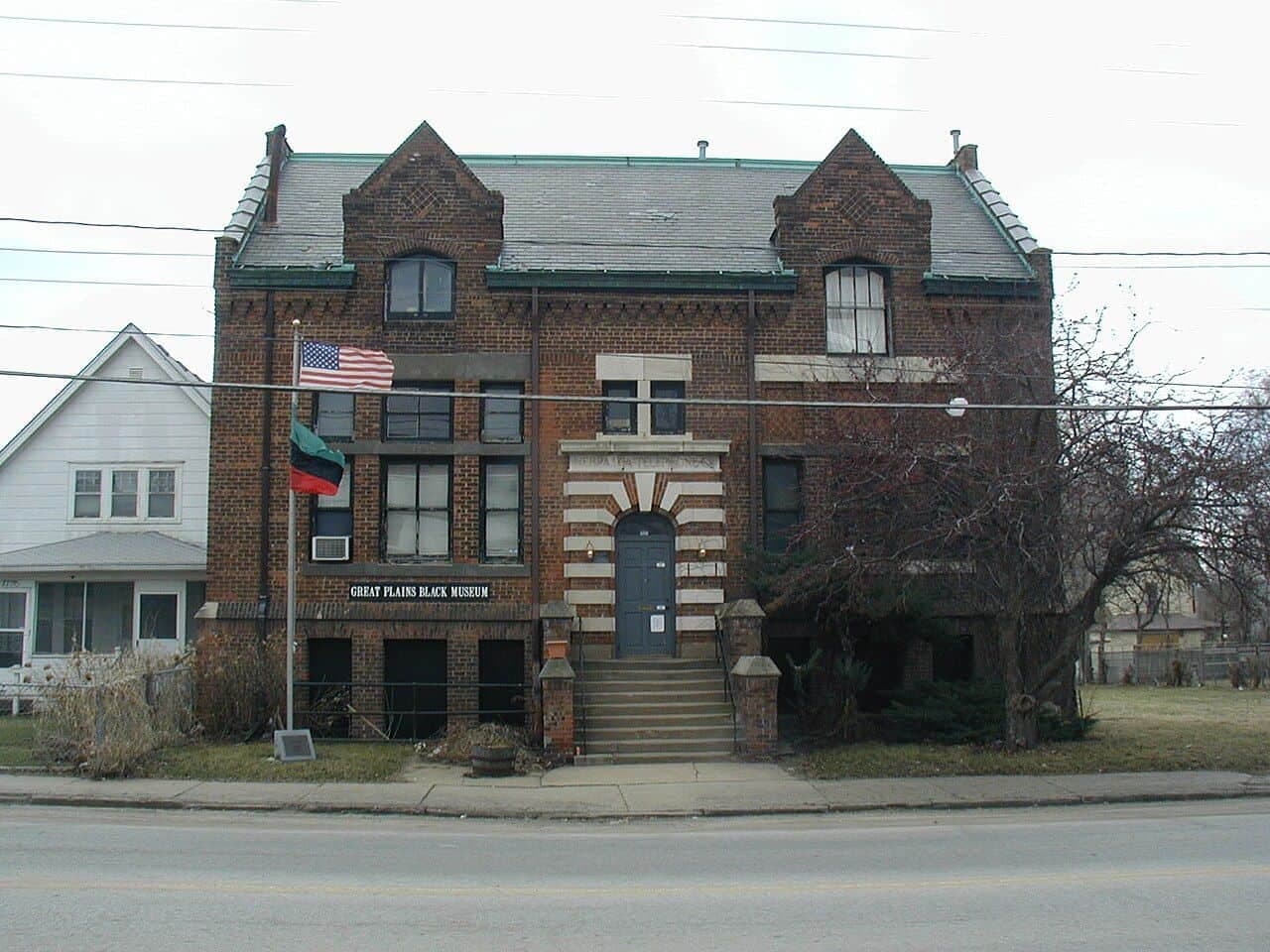
Photo Credits
The Webster Telephone Exchange building, home of the Great Plains Black History Museum. Photo: Dolph72, Public domain, Wikimedia Commons