

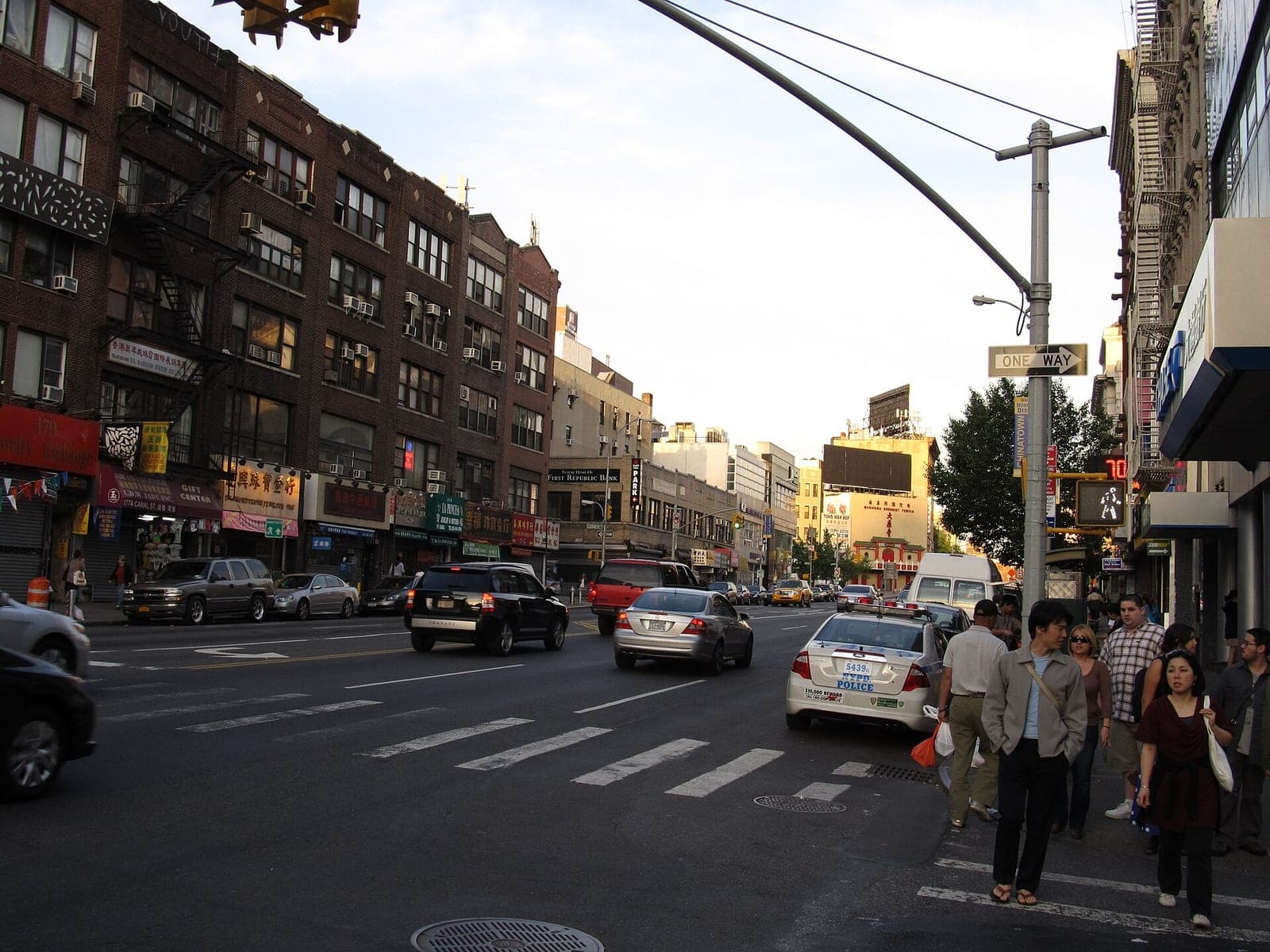
From the African Burial Ground to Harlem, Weeksville and the birth of hip hop in the Bronx.
Beneath Lower Manhattan
Black New York is as old as the city. From the late 1690s, when Africans were barred from the city's cemetery, they buried their dead in a burial ground of their own, and historians estimate there were between 10,000 and 20,000 burials there in the 18th century.
It was rediscovered in 1991, during work for a federal office building at 290 Broadway. In 2006 the site became the African Burial Ground National Monument, at Duane Street and African Burial Ground Way.
Seneca Village And Weeksville
In 1825 Andrew Williams bought three lots of land in what is now Central Park, the start of Seneca Village, a community of mostly African American landowners with three churches, two schools and three cemeteries. In 1857 its residents were forced out through eminent domain and their homes torn down to build Central Park.
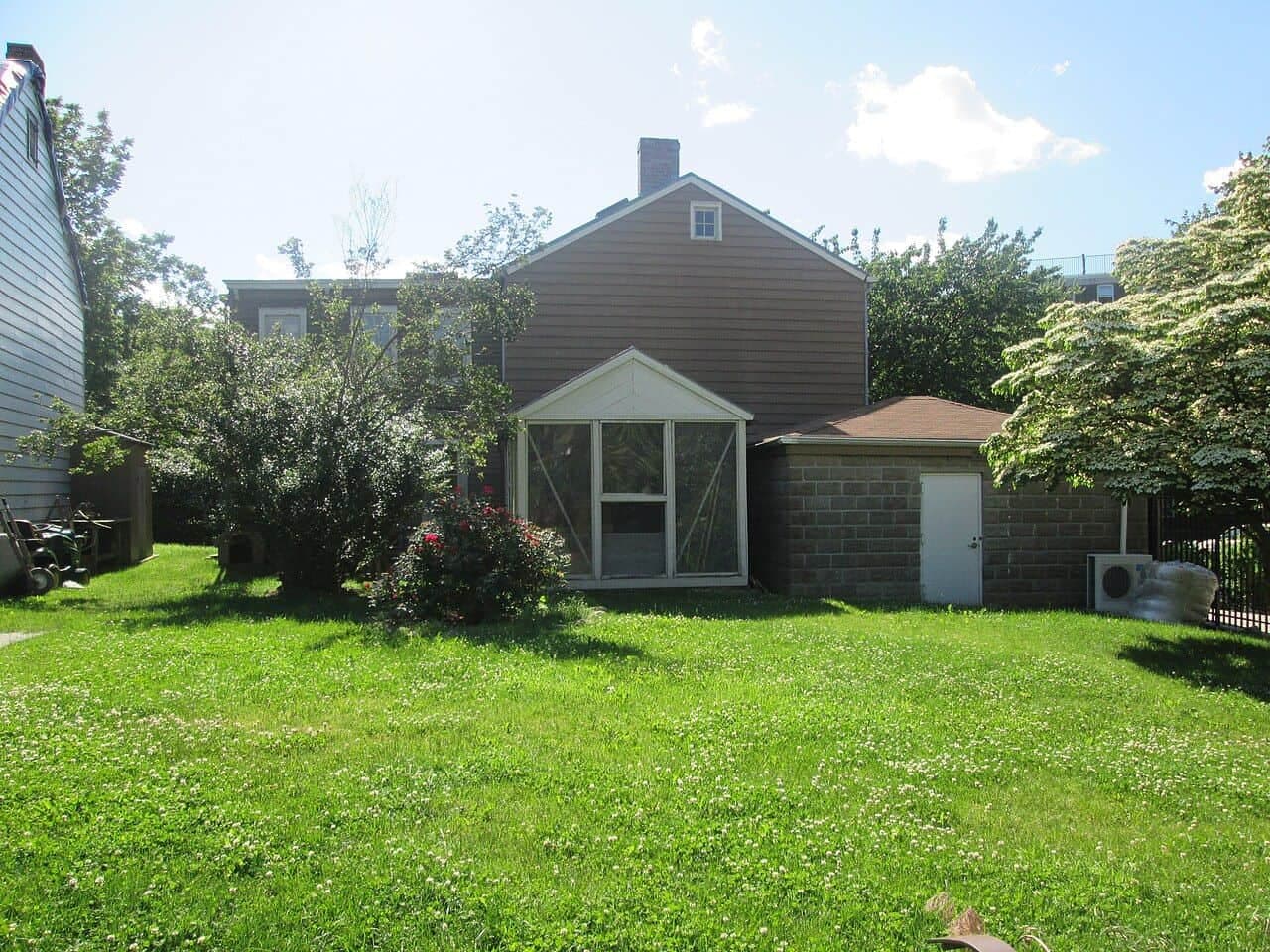
In Brooklyn, James Weeks, a free Black dockworker from Virginia, bought land in 1838. Weeksville grew into the second-largest free Black community in the United States before the Civil War, and four of its homes, the Hunterfly Road Houses, now make up the Weeksville Heritage Center.
Harlem
During the Great Migration, more Black Southerners moved to Harlem than anywhere else, and in the 1920s and 1930s the neighborhood became the center of the Harlem Renaissance. Langston Hughes, Zora Neale Hurston, Countee Cullen and Duke Ellington made their names there.
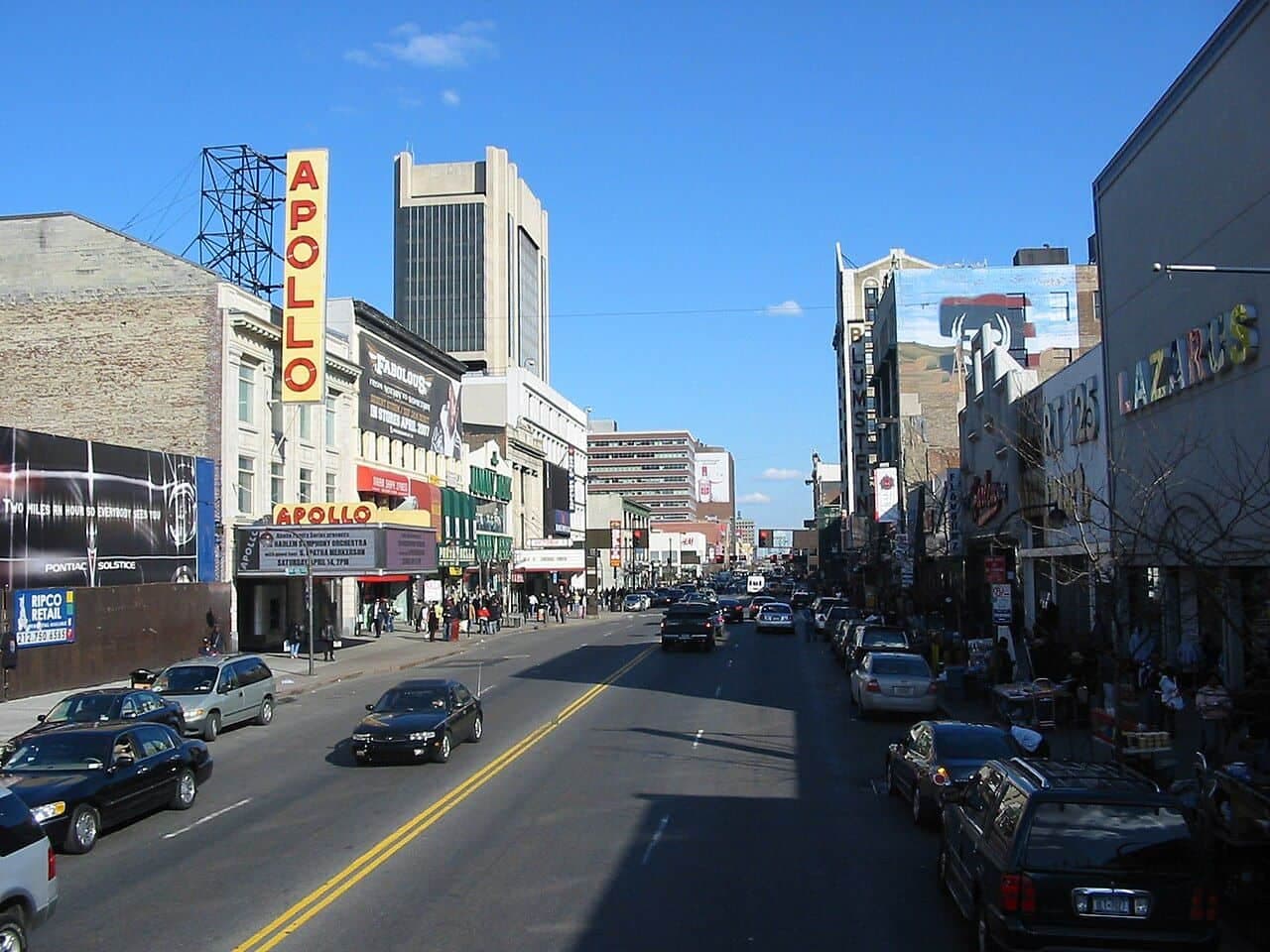
Two institutions from those years still stand. The Schomburg Center for Research in Black Culture began in 1925 and grew around the collection of the scholar Arturo Schomburg, at 515 Malcolm X Boulevard. The Apollo Theater at 253 West 125th Street reopened in 1934 for Harlem's Black audiences, and Amateur Night is one of its longest-running traditions.
Brooklyn
In 1968 Shirley Chisholm, representing a district centered on Bedford-Stuyvesant, became the first Black woman elected to the US Congress. In 1972 she ran for president under the motto Unbought and Unbossed, the first Black candidate for a major party's nomination.
Every Labor Day, the West Indian American Day Carnival fills Eastern Parkway in Crown Heights. Jessie Waddell and her friends started it in Harlem, where its earliest known street parade was held in 1947, and the parade moved to Brooklyn after Harlem's permit was revoked in 1964.
The Bronx And Today
In August 1973, DJ Kool Herc played a party for his sister's birthday in the recreation room of 1520 Sedgwick Avenue in the Bronx, and the building has long been accepted as the birthplace of hip hop. New York State recognized it as such in 2007.
From Harlem to Bed-Stuy and the Bronx, Black New Yorkers run restaurants, salons, bookstores and brands in every borough.
Shop Black-owned businesses in New York on CashBlack.
Photo Credits
The Weeksville Heritage Center in Brooklyn. Photo: Epicgenius, CC BY-SA 4.0, Wikimedia Commons The Apollo Theater on 125th Street, Harlem. Photo: Rup11 (rup on wikipedia.de), CC BY-SA 3.0, Wikimedia Commons