


Congo Square, Tremé, Louis Armstrong and the Black Masking Indians.
Congo Square
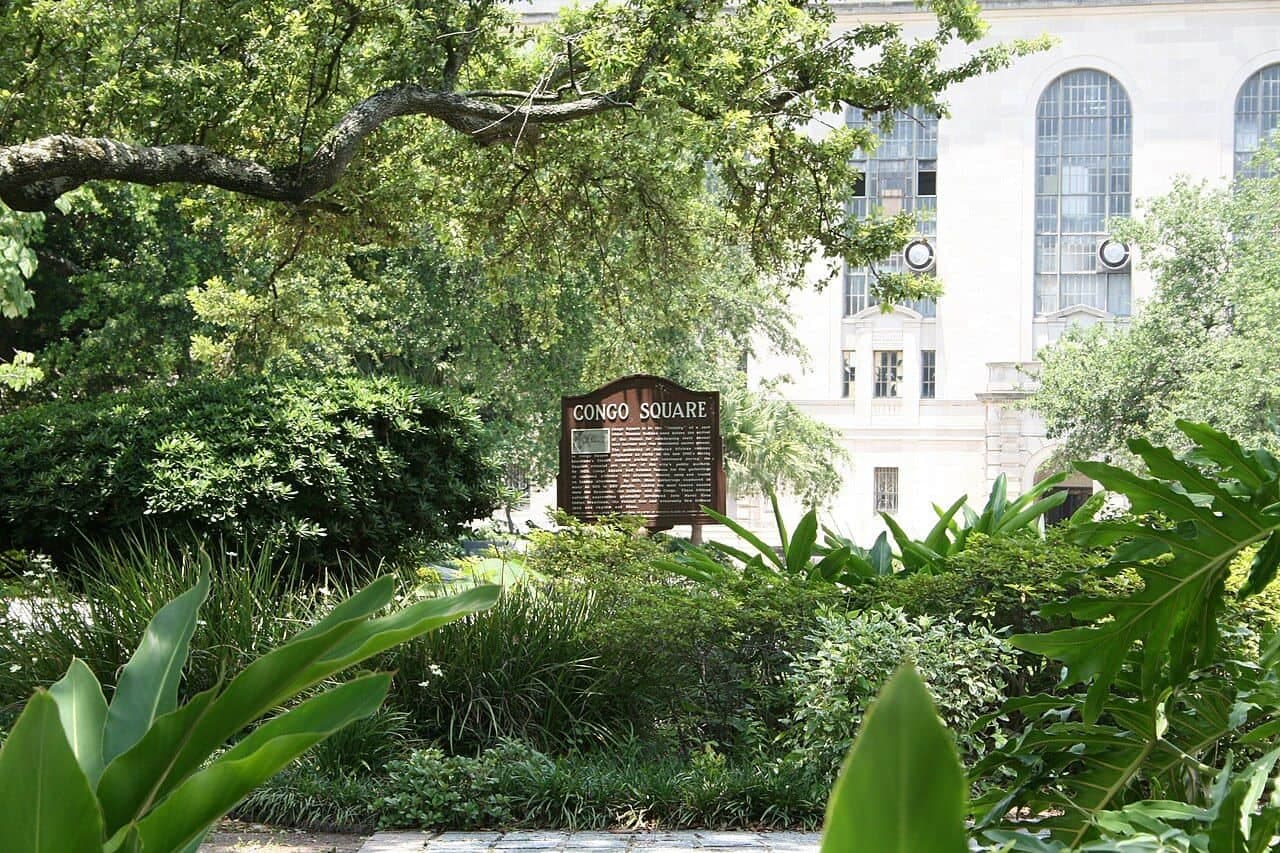
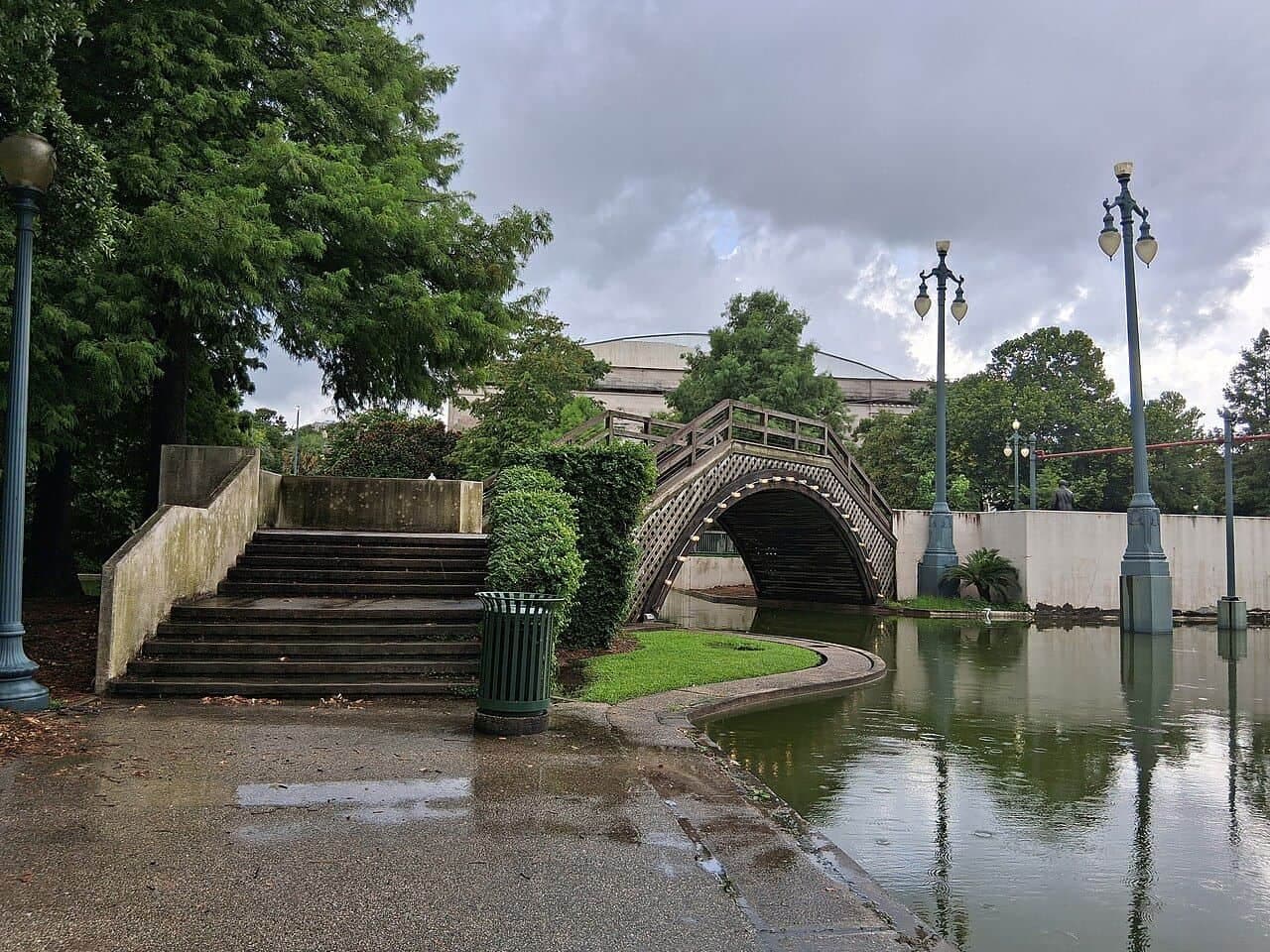
Under colonial rule, enslaved Africans in New Orleans were commonly given Sundays off, and they gathered in one square to dance, drum and trade, some earning enough there to buy their freedom. Congo Square, now inside Louis Armstrong Park, is famous for its influence on African American music, jazz above all. It joined the National Register of Historic Places in 1993.
Tremé
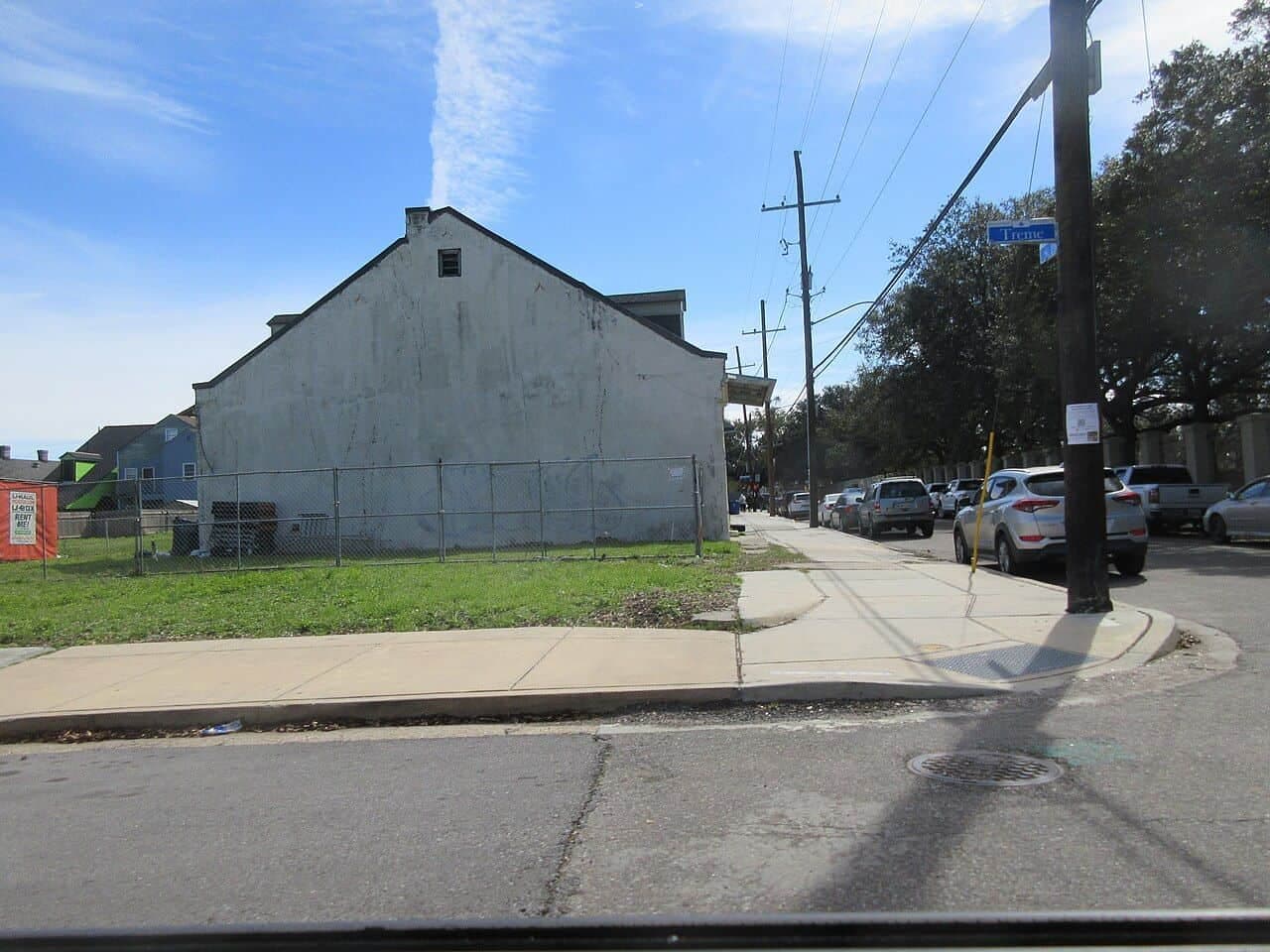
Just across Rampart Street from the French Quarter, Tremé was first the main neighborhood of the city's free people of color, and some sources call it the oldest Black-majority neighborhood in the United States. St. Augustine Church there is the oldest African American Catholic parish in the country, and Tremé is still a center of the city's Black and Créole culture, the modern brass band tradition most of all. Joe's Cozy Corner is often called the birthplace of the Rebirth Brass Band.
Plessy
In 1892 a multiracial group of New Orleanians, the Comité des Citoyens, organized a challenge to Louisiana's Separate Car Act. Homer Plessy refused to leave a whites-only train car and was arrested. The Supreme Court ruled against him in 1896. On January 5, 2022, Louisiana granted Plessy a posthumous pardon.
Louis Armstrong
Louis Armstrong was born in New Orleans, believed to be on August 4, 1901, and grew up in a rough neighborhood called the Battlefield, near Rampart Street. At the Colored Waif's Home he learned the cornet and led the band. In 1922 he left for Chicago at the invitation of his mentor King Oliver, and became one of the most important figures in jazz.
Black New Orleans Today
Every Mardi Gras Day, St. Joseph's Day and Super Sunday, the Black Masking Indians come out in hand-beaded suits that take months to make, a tradition that began in the late 1800s when Black people were shut out of parts of Mardi Gras and that honors the Native Americans who helped people escaping slavery. Second lines, brass bands and Black-owned kitchens, salons and shops are part of everyday New Orleans.
Shop Black-owned businesses in New Orleans on CashBlack.
Photo Credits
Congo Square in Louis Armstrong Park. Photo: Diego Delso, CC BY-SA 3.0, Wikimedia Commons Marais Street in Tremé. Photo: Infrogmation, CC BY-SA 4.0, Wikimedia Commons Louis Armstrong Park. Photo: Adjoajo, CC BY-SA 4.0, Wikimedia Commons