

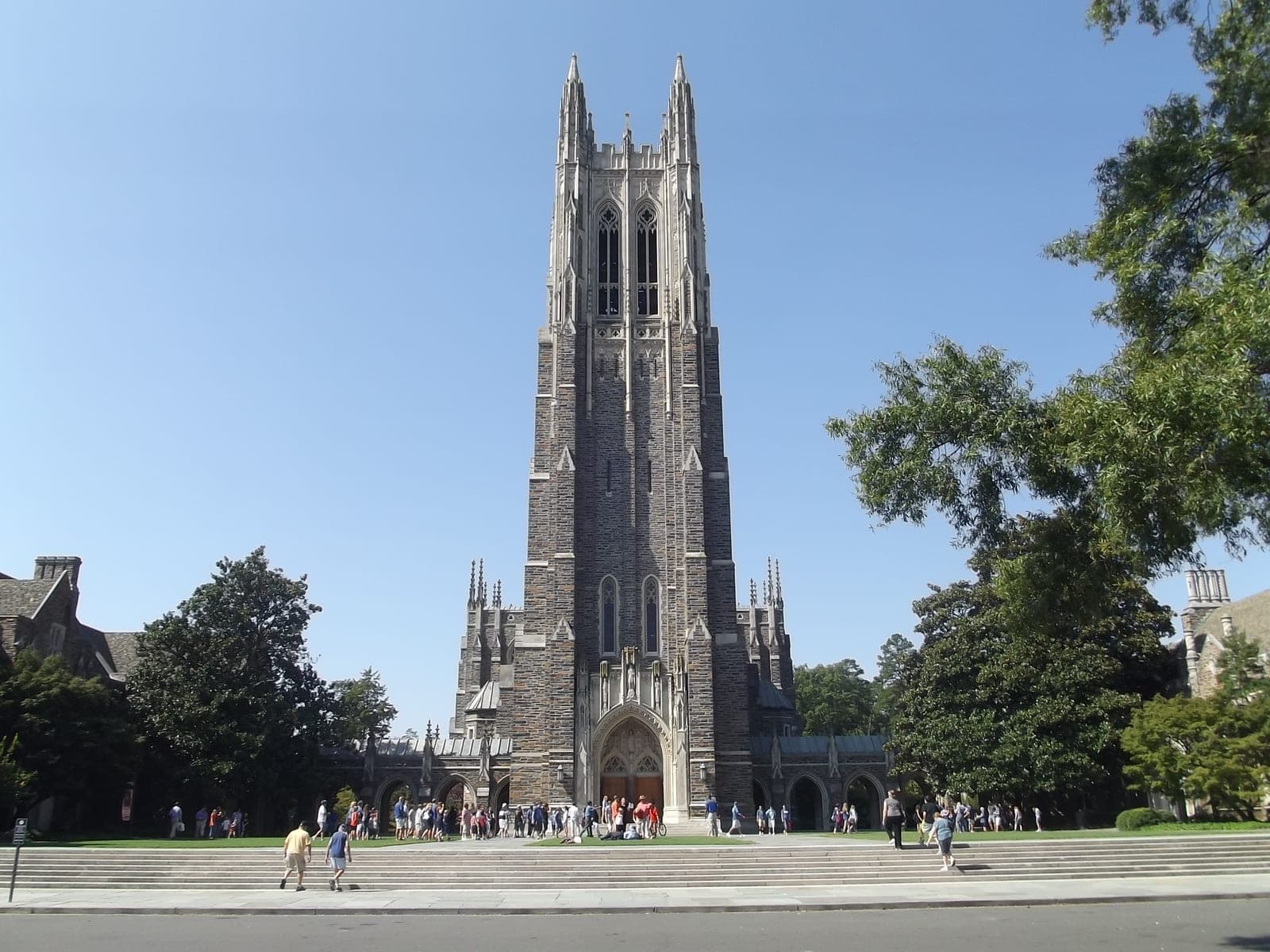
Black Wall Street, Hayti, the Royal Seven and Pauli Murray.
The Black Wall Street Of America
In 1898 John Merrick, Dr. Aaron McDuffie Moore, the first African American in Durham to practice medicine, and their partners founded North Carolina Mutual Life Insurance Company, with Charles Clinton Spaulding as general manager. Within a few years it was known as the world's largest African American business, and for much of the 20th century it was the largest company run by African Americans. Durham came to be known as the Black Wall Street of America.
Hayti
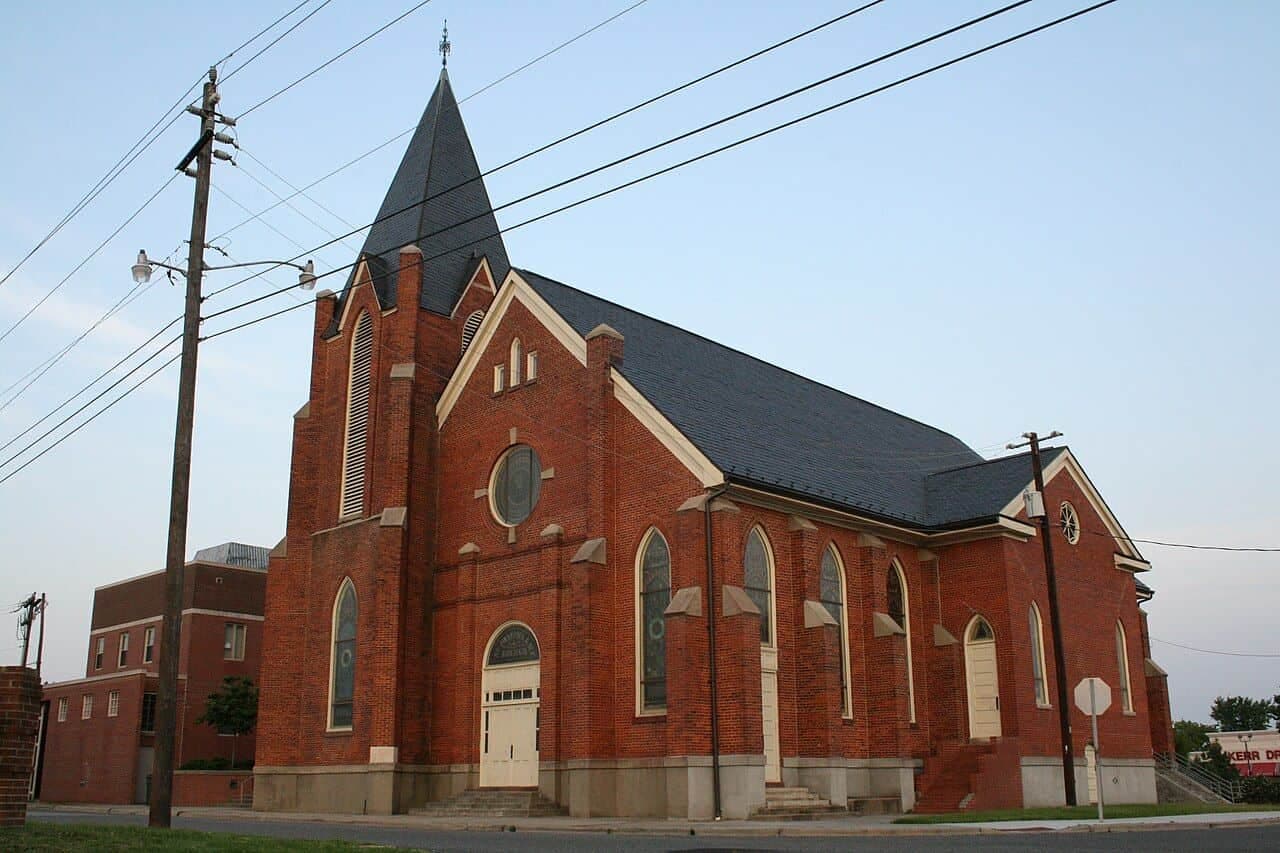
Hayti was founded shortly after the Civil War as an independent Black community, settled by freedmen who came to work in Durham's tobacco industry. By the early 1900s African Americans owned and ran more than 200 businesses there along Fayetteville, Pettigrew and Pine Streets.
Urban renewal later cleared more than 200 acres at the heart of Hayti's business district, and the Durham Freeway was built through the district, splitting it apart. St. Joseph's AME Church, built in 1891, survived and has been a community and cultural center since 1975.
North Carolina Central
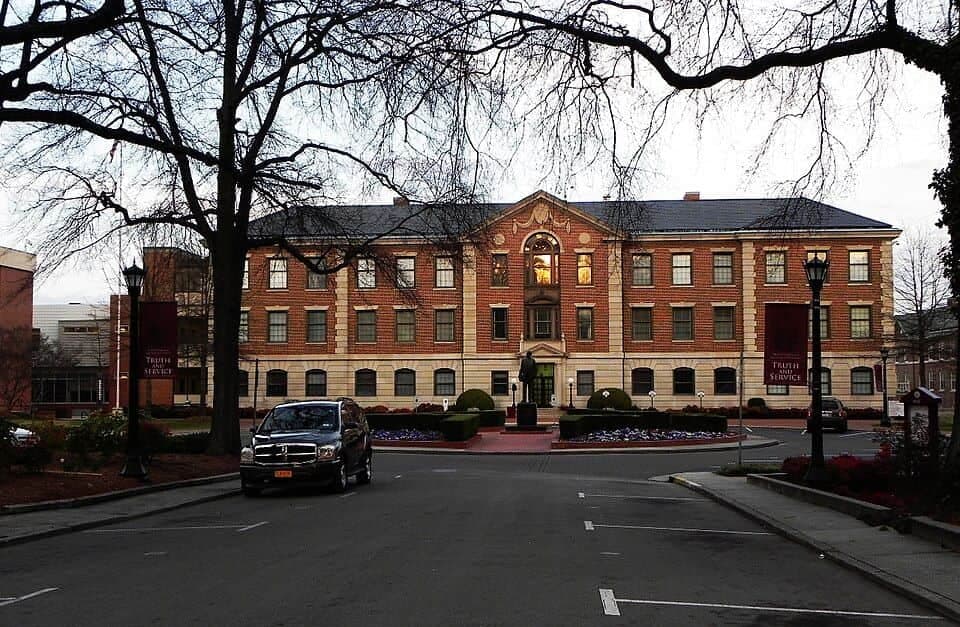
James E. Shepard chartered his school in 1909 and opened it on July 5, 1910, about a mile south of downtown. Today's North Carolina Central University became the nation's first state-supported liberal arts college for Black students.
The Royal Seven
On June 23, 1957, the Rev. Douglas E. Moore led Mary Elizabeth Clyburn, Vivian Jones, Virginia Williams, Claude Glenn, Jesse W. Gray and Melvin Willis into the Royal Ice Cream Parlor, where they sat in the section kept for white customers and were arrested. The Royal Seven's sit-in shaped the strategies activists used across the Southeast in the 1960s, including the Greensboro sit-ins.
Pauli Murray And Black Durham Today
Pauli Murray was raised in Durham by her aunts and grandparents. She became a lawyer who argued for civil rights and women's rights, and in 1977 the first African American woman ordained an Episcopal priest. Her family's home became a National Historic Landmark in 2016. Black-owned restaurants, salons, shops and brands are part of everyday Durham.
Shop Black-owned businesses in Durham on CashBlack.
Photo Credits
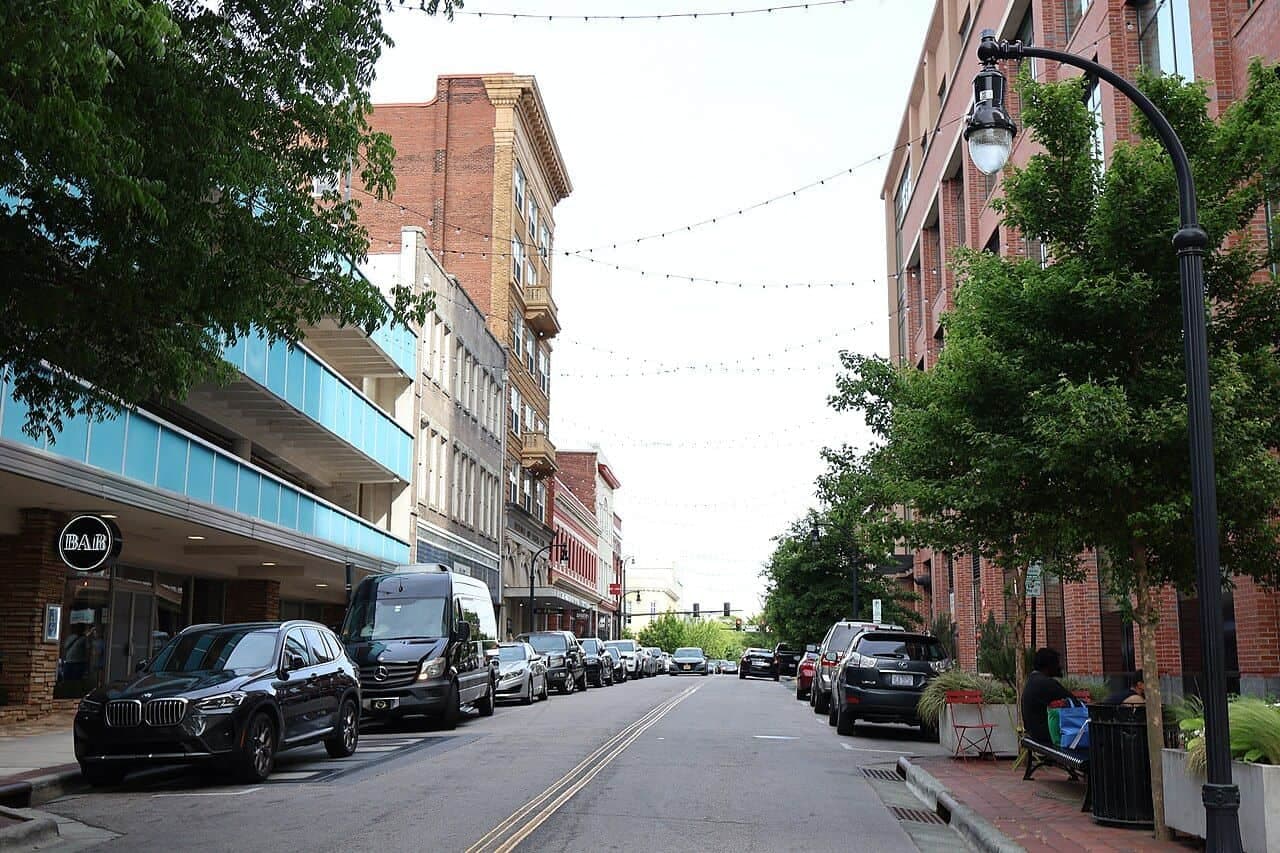
West Parrish Street, Durham. Photo: DiscoA340, CC BY-SA 4.0, Wikimedia Commons St. Joseph's A.M.E. Church on Fayetteville Street, home of the Hayti Heritage Center. Photo: Ildar Sagdejev ( Specious ), CC BY-SA 4.0, Wikimedia Commons The main entrance to North Carolina Central University. Photo: RDUpedia, CC BY-SA 3.0, Wikimedia Commons