


Crispus Attucks, Prince Hall, the African Meeting House and the 54th Massachusetts.
Attucks And Prince Hall
Crispus Attucks, a man most historians agree was of Wampanoag and African descent, is traditionally regarded as the first person killed in the Boston Massacre of 1770, and he is often called the first American killed in the Revolution. A monument to him and the other victims went up on Boston Common in 1888.
Prince Hall was an abolitionist and a leader of Boston's free Black community. On July 3, 1776, he and other free Black men founded African Lodge No. 1, the start of Prince Hall Freemasonry. He petitioned the Massachusetts legislature against the kidnapping of Black Bostonians, asked it for schools for Black children and, when it refused, ran a school from his own home. He is buried at Copp's Hill Burying Ground.
The African Meeting House
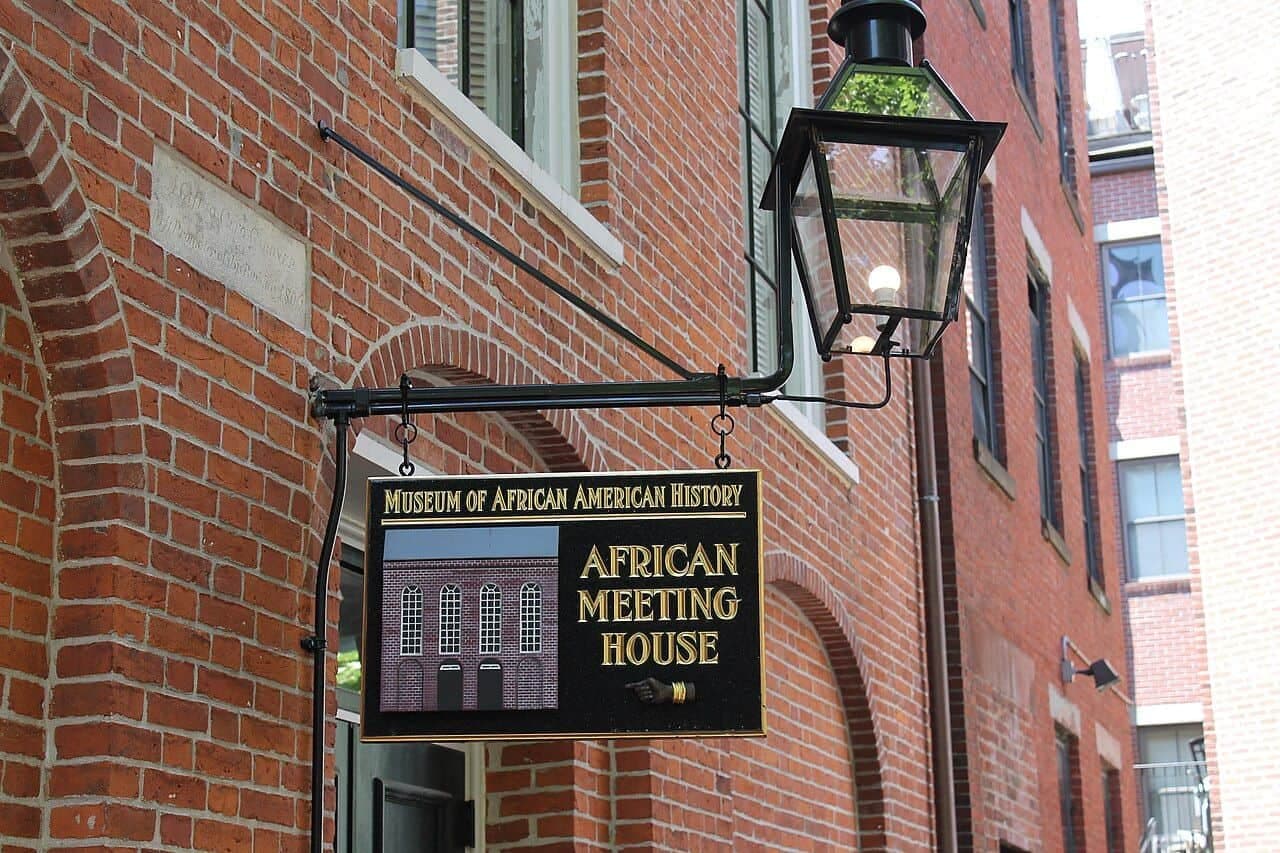
Built in 1806 on Beacon Hill, the African Meeting House is the oldest Black church building still standing in the United States. On January 6, 1832, William Lloyd Garrison founded the New England Anti-Slavery Society there. Next door, the Abiel Smith School, finished in 1835, was the first public school for free Black people. Black parents pulled their children out to fight segregation, and in 1855 Boston's schools were integrated.
The 54th Massachusetts
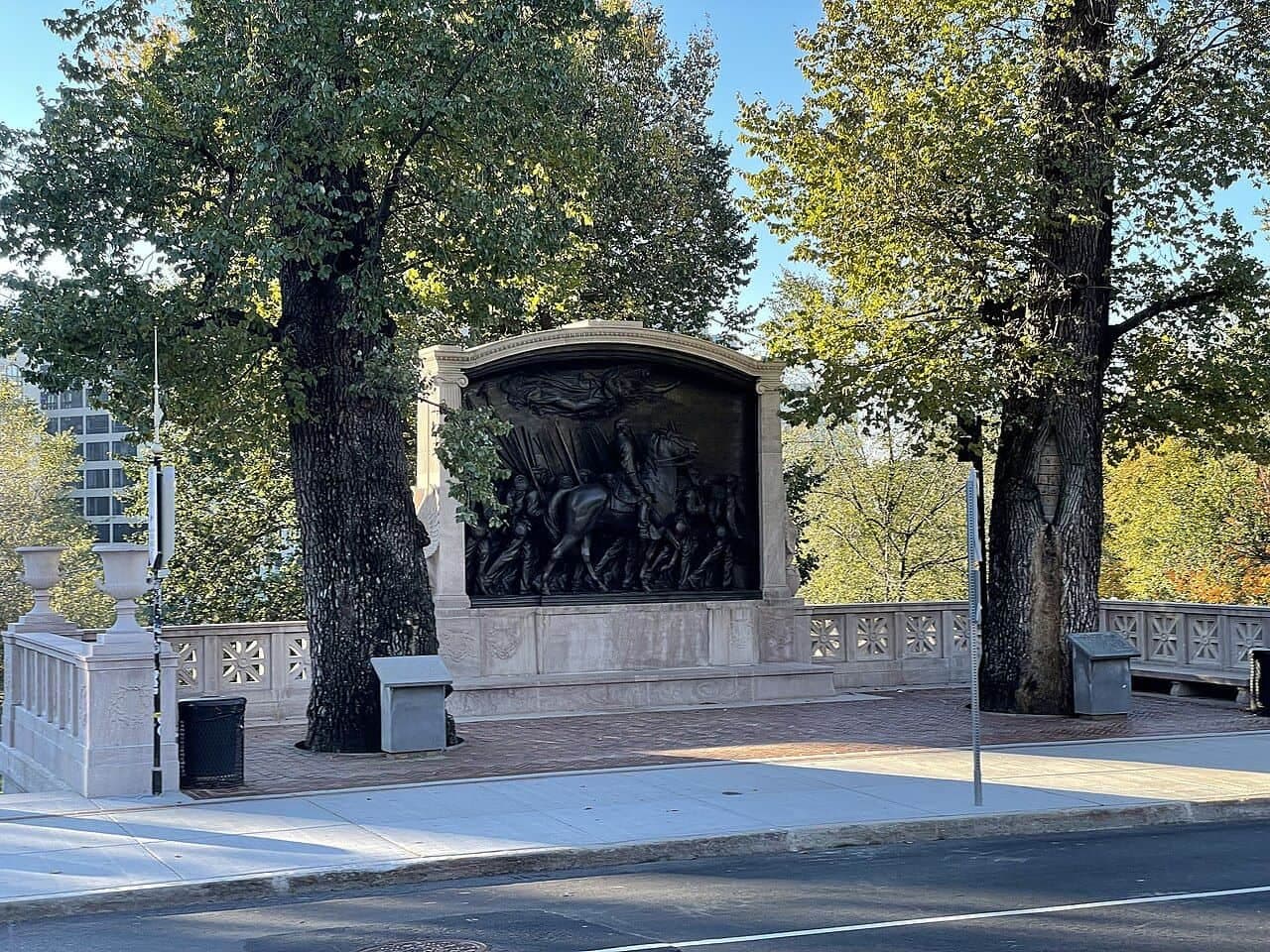
During the Civil War, Frederick Douglass and others recruited Black soldiers for the 54th and 55th Massachusetts Regiments at the African Meeting House. On July 18, 1863, the 54th attacked Fort Wagner, one of the forts guarding Charleston. The memorial by Augustus Saint-Gaudens facing Boston Common, unveiled on May 31, 1897, shows the regiment marching down Beacon Street, each of its 23 Black soldiers with his own face, the first civic monument to honor the heroism of African American soldiers.
Roxbury
Melnea Cass, known as the First Lady of Roxbury, worked on community projects across the South End and Roxbury and led the Boston branch of the NAACP from 1962 to 1964. Melnea Cass Boulevard in Roxbury carries her name.
Black Boston Today
Today the African Meeting House and the Abiel Smith School are home to the Museum of African American History, part of the Boston African American National Historic Site. Across the city, Black-owned restaurants, salons, shops and brands are part of everyday Boston.
Shop Black-owned businesses in Boston on CashBlack.
Photo Credits
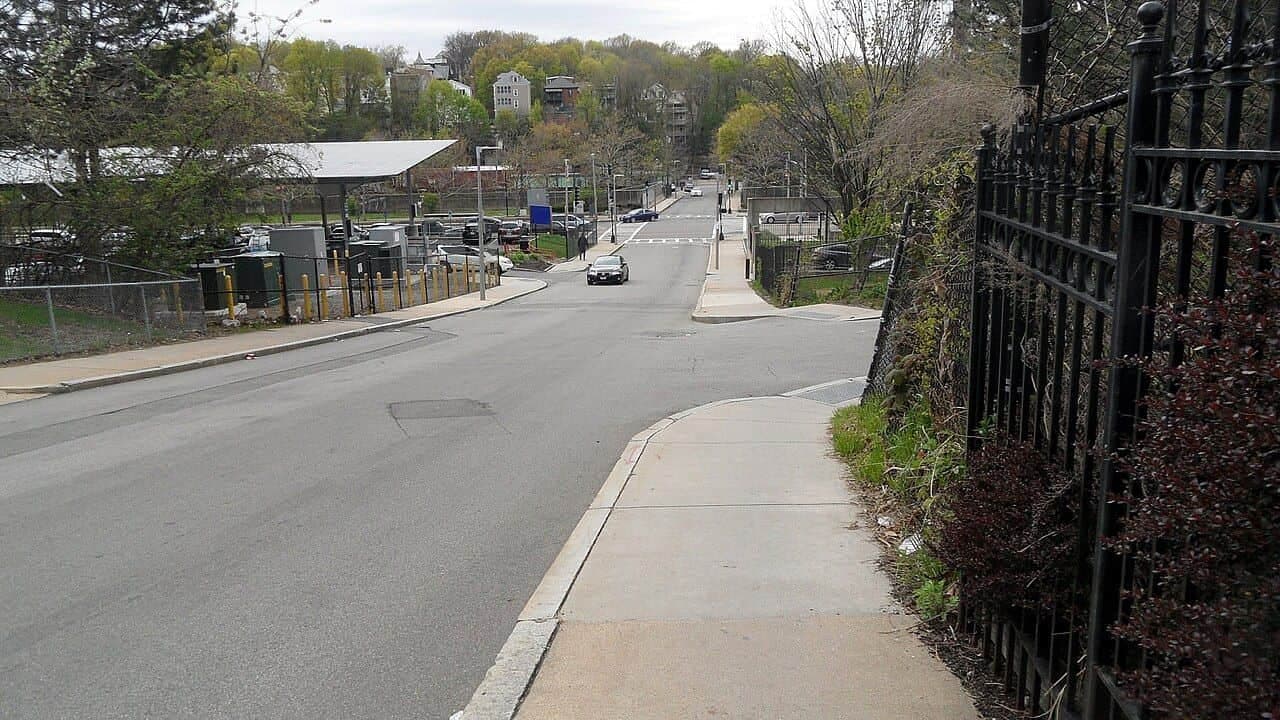
The African Meeting House on Beacon Hill. Photo: NPS Photo, Public domain, Wikimedia Commons The Robert Gould Shaw and 54th Regiment Memorial on Boston Common. Photo: Lynn.steven, CC BY-SA 4.0, Wikimedia Commons Cedar Street, Roxbury. Photo: Karlunun, CC BY-SA 4.0, Wikimedia Commons