Culture
What Are Gullah Sweetgrass Baskets? History, Craft and Makers
Culture · · 9 min read
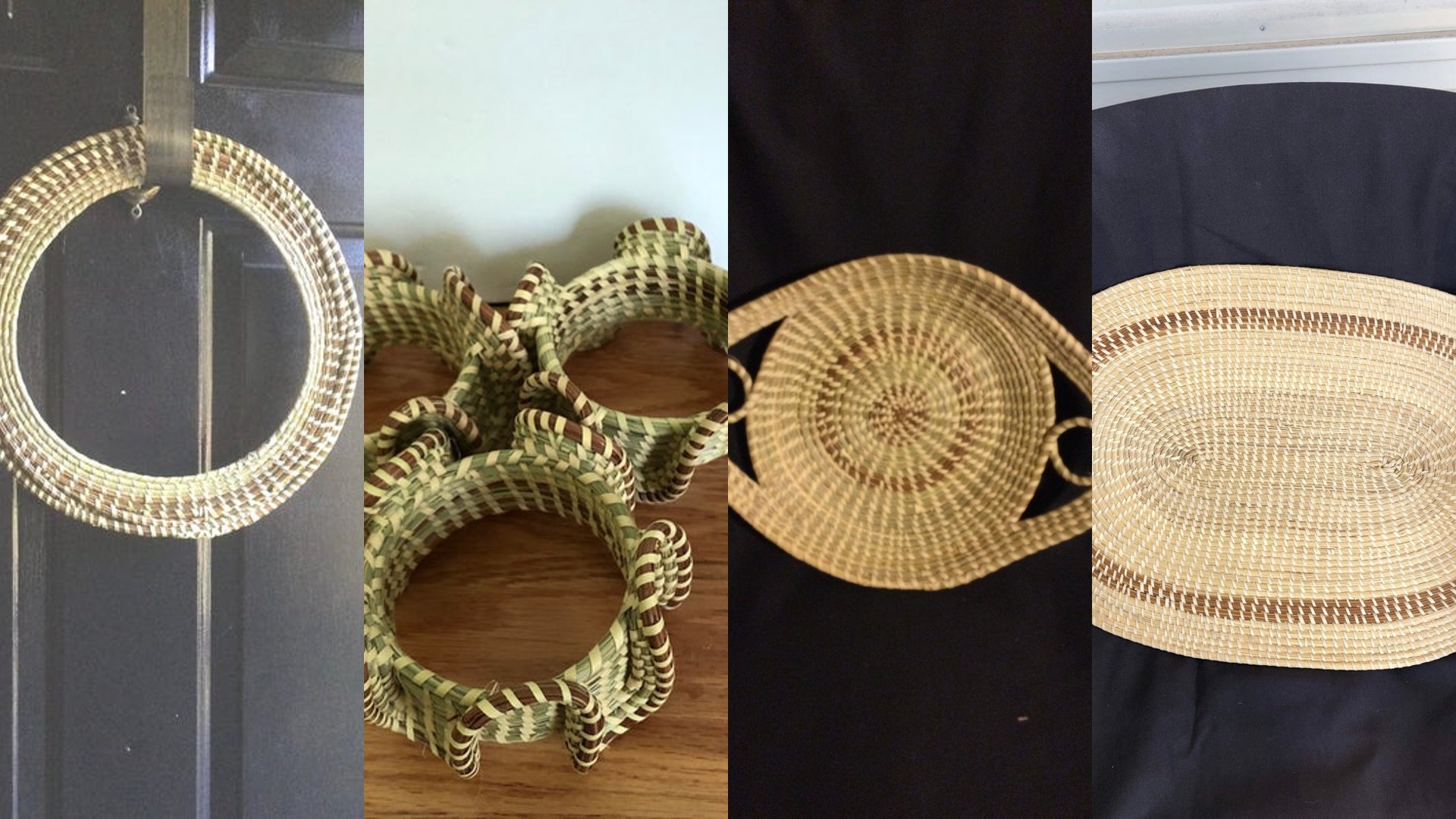
Gullah sweetgrass baskets are coiled baskets sewn by hand by Gullah Geechee makers in the Lowcountry of South Carolina and Georgia, built from marsh grasses and stitched together with strips of palmetto. The craft came to America with enslaved West African rice farmers, who needed wide baskets to winnow grain, and their descendants have kept it going for centuries. Today a sweetgrass basket is a working object, a piece of art and one of the clearest living links between Black America and West Africa.
Below is where the craft comes from, how a basket is made, why the roadside stands near Charleston matter and how to shop for Lowcountry crafts in a way that puts money straight into Black makers' hands, including a Gullah sweetgrass basket weaver listed on CashBlack.
Where Do Sweetgrass Baskets Come From?
The short answer is West Africa by way of the rice fields. The Smithsonian Folklife Festival describes the baskets as "part of a deep and unbroken connection to African heritage that dates from the 1700s." It explains that experienced African farmers, enslaved and forced to work on American plantations, brought coiled basket making with them as part of a wider body of farming knowledge.
Rice is the key. According to the South Carolina Encyclopedia, the history of the Lowcountry coiled basket "parallels the rise of rice cultivation" on the southeastern coast. Growing and processing rice were skills many Africans already had, especially people from the upper Guinea coast and the inland delta of the Niger River. One basket in particular, a wide winnowing tray called a fanner, was used in both Senegambia and South Carolina to separate the grain from its chaff.
That is the part of the story worth sitting with. The wealth of the Carolina rice plantations was built on African expertise, and the fanner basket is physical proof of it. The same hands that knew how to grow the crop knew how to make the tools to process it.
Who Are the Gullah Geechee People?
The Gullah Geechee are descendants of Africans enslaved on the coastal plantations of the Southeast, and they have kept a distinct culture, language, food and craft tradition along that coast. In 2006 Congress designated the Gullah Geechee Cultural Heritage Corridor, which the National Park Service says runs from Pender County, North Carolina, to St. Johns County, Florida.
The federal commission that oversees the corridor is charged with recognizing the contributions the Gullah Geechee have made to American culture and history, and with helping to preserve Gullah Geechee folklore, arts, crafts and music. Sweetgrass basketry sits right at the center of that work. The corridor's own page on the National Park Service site even opens with a photograph of a sweetgrass basket maker.
What Are Sweetgrass Baskets Made Of?
Despite the name, a sweetgrass basket is rarely made of sweetgrass alone. The Smithsonian notes that baskets were originally made from locally available materials such as bulrush, palmetto and sweetgrass, and were used to winnow rice, hold food and carry cotton. A basket in the Smithsonian's own collection lists sweetgrass, palmetto fronds and pine needles as its materials.
The South Carolina Encyclopedia fills in the detail. On the plantations, bulrush was the usual foundation. Sea Island makers stitched the rows together with strips cut from saw palmetto stems, while sewers on the mainland used white oak splints. As the craft moved from farm tools to household and decorative pieces, makers shifted from bulrush to sweetgrass and from saw palmetto to cabbage palm. Sweetgrass gives the finer look most people now picture, while dark pine needles add contrast and pattern.
How Is a Sweetgrass Basket Made?
A sweetgrass basket is coiled and sewn rather than woven, which is why makers are often called basket sewers. A bundle of grass is wrapped and stitched to the row beneath it with a strip of palmetto, and the basket grows outward from the center in a spiral, one row at a time. Shape comes from the maker's hands and eye: a flat coil becomes a tray, a coil that climbs becomes a bowl, and a tight knob of coiled grass can become the handle on a lid.
The skill is passed down inside families. The Smithsonian notes that these skills are handed on in African American families throughout the Lowcountry, and that the baskets have become a source of both income and creative expression. National Heritage Fellow Mary Jackson, one of the best known sewers, demonstrated the craft at the Smithsonian Folklife Festival in 1996.
From Work Baskets to Show Baskets
After the Civil War the craft changed. The South Carolina Encyclopedia records that men kept making farm baskets on family land carved out of the old plantations, while women made household pieces such as sewing and storage baskets and carrying trays. As rice production declined, household baskets came to dominate and women became the face of the craft.
In the early twentieth century, a sweetgrass revolution began near Boone Hall Plantation and the village of Mount Pleasant, across the Cooper River from Charleston. A local merchant began buying baskets in quantity from the community to sell in his Charleston shop and to department stores in northern cities, and production rose sharply. The makers were the source of the value, and that pattern of other people selling Black craft is one reason buying directly from the maker matters so much today.
The Basket Stands of Mount Pleasant
The next shift put makers in charge of their own sales. With the paving of coastal Highway 17 and the opening of the Cooper River Bridge in 1929, sewers could reach travelers directly. The South Carolina Encyclopedia describes them selling baskets on the roadside from chairs and overturned crates, then building the basket stand to show off new shapes as tourism grew.
The Smithsonian notes that its 1976 program on the African Diaspora was one of the first places sweetgrass baskets could be bought outside the South, at a time when most were sold from stalls along Route 17 in Mount Pleasant. The roadside stand remains the classic way to buy a basket from the person who sewed it.
Why Is the Craft Under Pressure?
The biggest threat is access to the grass itself. The South Carolina Encyclopedia reports that since the 1970s, suburban and resort development has drastically reduced the local supply of sweetgrass, and that the same highway that helped the tradition survive now threatens to push the basket stands off the road. Sewers responded by bringing bulrush back into their work, and their baskets became bigger and bolder.
Makers also organized. According to the Smithsonian, basket makers formed the Mount Pleasant Sweetgrass Basketmakers Association to protect wild sweetgrass, keep the tradition alive, advocate for fair prices and hold high standards. That last point matters for buyers: a real sweetgrass basket takes skill and time, and its price reflects the hands that made it.
Where to Shop Lowcountry Crafts from Black Makers
The best way to honor a craft like this is to buy it from the people who carry it. Start with Bella C Unique Designs, a Black-owned Etsy shop based in South Carolina whose CashBlack page describes it as a Gullah sweetgrass basket weaver. If you want a piece of the Lowcountry tradition made by a Gullah maker, this is the shop to open first, and tapping through from CashBlack means your order earns cashback too.
If you love handmade baskets more broadly, Agahozo is a Black-owned Etsy shop based in Iowa selling home goods, with a CashBlack page that lists African baskets and wall baskets. These are African baskets rather than Lowcountry sweetgrass, which makes the shop a good way to see the wider family of African basketry that the Gullah tradition grew from.
For more handmade pieces with roots in African craft, Aya Hand Fans is a Black-owned Etsy shop in New York selling vibrant African handmade hand fans, and Bashful Butterfly Art is a Black-owned Etsy shop in Powder Springs, Georgia, selling Afrocentric gifts, art and decor. Both make easy gifts for anyone who loves a home that tells a story.
Browse the Home and Living and Arts, Crafts and Gifts categories to find more Black-owned makers, then join CashBlack free so your cashback follows every order. The how it works page walks through each step.
Frequently Asked Questions
Why Are Sweetgrass Baskets Worth the Price?
Each basket is sewn entirely by hand, row by row, by a skilled maker, and the grass is getting harder to find as development spreads along the coast. The price pays for the maker's time, materials and generations of inherited skill.
Are Sweetgrass Baskets Still Made Today?
Yes. Gullah Geechee sewers still make and sell sweetgrass baskets, especially around Mount Pleasant and Charleston in South Carolina, and the skill is still passed down within families. Some makers also sell online, such as Bella C Unique Designs, whose CashBlack page describes it as a Gullah sweetgrass basket weaver.
What Is a Fanner Basket?
A fanner is a wide, flat winnowing tray used to separate rice from its chaff. The same kind of tray was used in Senegambia, which is one of the clearest signs of the craft's West African roots.
How Do I Know a Sweetgrass Basket Is Authentic?
Buy from the maker wherever you can, at a roadside stand, a market or a maker's own shop, and ask who sewed it. A genuine Lowcountry basket is coiled and stitched by hand with palmetto, and many makers will tell you their family's story along with the basket.
Where Can I Find More Black-Owned Brands?
Browse every store on CashBlack to find more Black-owned brands across home, art, fashion, beauty and gifts, and follow @cashblackusa for new finds every week.